Table of Contents
- Overview: How Sports Betting Fits Into a Normal Week
- How Bettors Actually Use Sportsbooks and Apps All Week Long
- Parlays in the Real World: How Fans Actually Build and Use Them
- Mental Game and Risk: What Actually Goes On in Your Head
- Money Flow, Bankrolls, and Where a Betting Site or Casino Actually Fits
- Conclusion: Making Sports Betting Fit Your Life, Not the Other Way Around
- FAQ
Overview: How Sports Betting Fits Into a Normal Week
Expert Insight: According to Oddsshark (www.oddsshark.com/sportsbook-review), their review page highlights the “best of the best” legal sports betting sites, apps, DFS platforms, and tools, explaining what uniquely sets each apart—for example, noting Kalshi as the only option to wager on things like Bitcoin prices and Rotten Tomatoes scores, and recommending BetMGM for building same-game parlays. (www.oddsshark.com)
Most guides talk about sportsbetting in theory. In reality, bettors are juggling work, family, and games on in the background. Wagers get placed on a lunch break, during a commute, or 10 minutes before kickoff. The key questions are not just which betting site has the biggest bonus, but how each platform, bet type, and habit actually fits into your real life.
This article focuses on day-to-day use: how bettors rotate between apps, build or avoid a parlay, occasionally open an online casino tab, and manage the mental side when things get noisy or stressful. Instead of abstract strategy, the emphasis is on realistic patterns you can adjust to make betting more controlled, efficient, and sustainable.
How Bettors Actually Use Sportsbooks and Apps All Week Long
Across reviews and user feedback on major brands like DraftKings, FanDuel, BetMGM, and exchanges such as ProphetX, one pattern is clear: people rarely live inside a single betting site. They move between platforms for specific reasons tied to their schedule and priorities.
Monday–Thursday: Research and small positions
Early in the week, many bettors:
- Glance at opening NFL or NBA lines on odds screens (for example, professional tools highlight how prices move as limits increase).
- Place small early bets when they spot a number they like, often on a primary app they know well.
- Use an exchange model like ProphetX when they want lower commission and are comfortable with a trading-style interface.
Friday–Saturday: Line shopping and promos
As the weekend approaches, users often:
- Open two or three apps side by side to compare moneylines, spreads, and totals.
- Look for short-term boosts and targeted promos (profit boosts and insured parlays are common drivers of activity).
- Use one app for straight bets and another that specializes in same-game parlays or deeper player props.
Game day: Convenience wins
Once games start, the priority shifts to speed and live markets:
- Most bets are placed on the fastest, most intuitive app, even if it does not always have the single best price.
- Live betting menus and clear cash-out options drive heavy usage, especially during primetime games.
- Many bettors stick to familiar sports; they are more likely to experiment with a parlay than learn a new market under time pressure.
Where online casino play fits in
In states where it is legal, the same app often includes an online casino tab. Common real-world use cases include:
- Filling halftime or late-night gaps with quick slots or table games.
- Converting small sportsbetting wins into short casino sessions.
- Using shared wallets: balances move seamlessly between sports and casino, which is convenient but also risky if you tend to chase losses.
Understanding these patterns helps you decide where each app fits: a primary book for most volume, a secondary one for better odds or specific props, and perhaps a third for exchange-style markets.
Parlays in the Real World: How Fans Actually Build and Use Them
In theory, everyone knows parlays are high risk. In practice, they are one of the most used features on major apps because they compress excitement into a single ticket. Modern platforms make it effortless to build a parlay, especially same-game versions with dozens of leg options.
Typical parlay behavior
- Weekend anchor: Many users build one main parlay for the NFL slate or a Saturday college card, often linking favorites and popular player props.
- Small stakes, high upside: Stakes are usually smaller than straight bets, but legs are more aggressive (alternate lines, multi-TD props, longshot scorers).
- App-guided construction: Suggested combos, odds boosts, and quick-add prop menus influence what ends up on the ticket more than pre-planned strategy.
What sophisticated bettors change about parlays
Bettors who study long-term results typically adjust how they use a parlay rather than abandoning it altogether:
- Using fewer legs (two or three) focused on correlated outcomes that actually make sense, rather than seven or eight unrelated results.
- Comparing the parlay payout to the cost of betting legs individually using calculators or exchange markets for reference.
- Keeping parlays in a separate “lottery” bucket of the bankroll so they do not interfere with core, lower-variance positions.
Relationship to other bet types
On a typical weekend, a structured approach might look like:
- Core straight bets based on research and line value.
- One or two small-stake parlays for entertainment or big upside.
- Selective live bets that react to game flow rather than chase pregame losses.
This pattern keeps a parlay in its proper role: an exciting accent to a card, not the main driver of your sportsbetting results.
Mental Game and Risk: What Actually Goes On in Your Head
The practical side of betting is not just about lines and bonuses. It is also about managing attention, emotion, and the urge to overreact to wins or losses. Many bettors notice that a full weekend of wagers can leave their mind racing long after games end.
Racing thoughts after heavy betting
Health sources describe “racing thoughts” as rapid, repetitive thinking that is hard to control and often disrupts sleep or focus. In a betting context, it can show up as:
- Replaying every bad beat from the day.
- Jumping mentally between past wagers and the next slate of games.
- Feeling an urgent need to “fix” losses immediately with new bets.
These patterns are common, but they become a concern when you cannot relax, your sleep suffers, or betting decisions start to feel driven by anxiety instead of enjoyment or logic.
Practical ways to steady your mindset
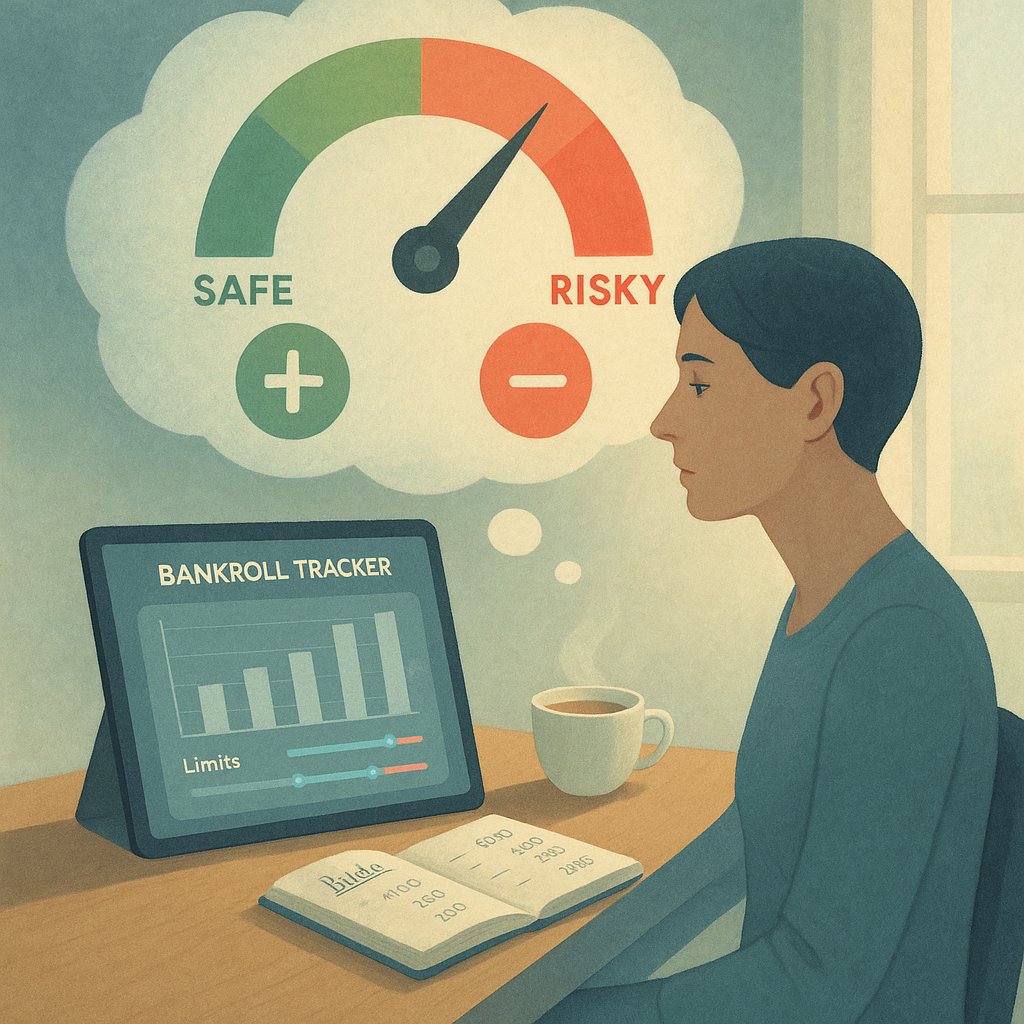
- Preset limits: Decide your stake size and total daily exposure before markets open. When the limit hits, betting stops, regardless of emotion.
- Scheduled review: Instead of checking results constantly, set one or two specific times to review the day’s bets and plan the next slate.
- Non-betting breaks: Fill gaps between games with something that has nothing to do with sports or an online casino. Short breaks reduce the urge to fire impulsive live bets.
- Sleep and stress check: If you notice ongoing racing thoughts, irritability, or strain on work and relationships, that is a signal to scale back volume or take a break entirely.
When to step away
If you find yourself thinking about wagers constantly, feeling unable to stop, or noticing physical symptoms like ongoing fatigue or tension, consider speaking with a health professional and using responsible gambling tools like time-outs and self-exclusion. Betting should fit into your life, not dominate it.
Money Flow, Bankrolls, and Where a Betting Site or Casino Actually Fits
Beyond picking sides and totals, long-term success in sportsbetting depends on how money moves between your accounts, your betting site wallets, and any online casino play. Day to day, many bettors underestimate how much these flows affect results.
Common real-world patterns
- Single shared wallet: All bets, across sports and casino, draw from and return to the same balance.
- Multiple app balances: Free bets and promos spread funds over several platforms, making it harder to see total exposure.
- Offshore vs regulated: Some bettors keep older offshore accounts alongside regulated U.S. apps, complicating tracking and withdrawal discipline.
Simple structure that works better
- Define one monthly or seasonal bankroll that you can afford to fully lose without affecting bills or savings.
- Assign that bankroll to a small number of regulated apps that suit your habits: one for primary volume, one for better props or parlays, and optionally an exchange.
- Keep a separate, smaller amount for any online casino play; do not treat casino spins as a way to repair sports losses.
- Track deposits and withdrawals in a simple note or spreadsheet so you always know your real net result, not just what is visible on one betting site.
Positive-EV thinking, even for casual bettors
Advanced tools and guides show how professionals search for positive expected value (“EV”) by comparing odds across books and models. Recreational bettors can borrow lighter versions of this:
- Compare lines on at least two apps before placing any sizable wager.
- Be skeptical of extreme parlays at long odds that depend on several unlikely events.
- Use smaller, consistent stake sizes rather than swinging wildly when you feel “confident.”
Choosing where to place most of your action
Once you know your patterns, it becomes easier to pick a primary platform that fits. If you are ready to streamline your accounts, consider starting with a trusted, regulated betting site and then layering in specialty apps or exchanges only when you have a clear reason to do so.
Conclusion: Making Sports Betting Fit Your Life, Not the Other Way Around
Sportsbetting today is less about finding a single “best” app and more about building a routine that makes sense for your schedule, risk tolerance, and mental bandwidth. Most fans rotate between a few platforms, place a mix of straight bets and the occasional parlay, and may dip into an online casino when there is nothing on the field.
To keep betting enjoyable and sustainable, focus on three things: limit how many sites and wallets you juggle, treat parlays as entertainment rather than a core strategy, and watch how your mind and mood react after a heavy slate of action. With a clear structure and honest self-checks, betting can remain a controlled part of your sports experience instead of an open-ended source of stress.
FAQ
Q: How do I choose the best sports betting app for everyday use?
A: Compare odds, promos, and user experience across a few legal apps, then stick with one or two you actually enjoy using. Look for fast live betting, clear betslip layouts, easy deposits/withdrawals, and tools like bet history and limits that help you track your habits.
Q: What types of bets do casual fans use most often?
A: Most everyday bettors stick to moneylines, spreads, and totals because they’re simple to understand and easy to follow while watching games. Parlays, player props, and same-game parlays are popular for small-stake, high-upside bets that add excitement to a single matchup.
Q: How can I manage my bankroll when betting on sports regularly?
A: Set a fixed weekly or monthly betting budget that you’re comfortable losing, then divide it into small, consistent unit sizes (like 1–3% per bet). Track every wager in the app or a simple spreadsheet so you can see patterns, adjust your bet size, and avoid chasing losses.
Q: How do experienced bettors use parlays without overdoing it?
A: They usually keep parlays small (2–4 legs) and stake less than they would on single bets, treating them more as entertainment than a primary strategy. Many mix a core of carefully researched legs with long-shot props only in small amounts so one bad pick doesn’t wreck their whole week.
Q: What daily habits make sports betting feel more controlled and enjoyable?
A: Many regulars set specific times to place bets, review results, and check lines so betting doesn’t bleed into every moment of the day. They pre-plan their wagers, avoid impulsive live bets when emotional, and use features like deposit limits or reminders to keep things in check.