Table of Contents
- Overview: What 2026 Sports Betting Really Looks Like
- How to Read a Modern Betting Site Without Missing Key Details
- Using Parlays in 2026: Same‑Game, Multi‑Game, and Practical Limits
- Where Online Casino Fits: Keeping Sports and Casino Risk Separate
- Costly Mistakes to Avoid Across Sites, Parlays, and Daily Routines
- Conclusion: Turn 2026 Features Into Structure, Not Chaos
- FAQ
Overview: What 2026 Sports Betting Really Looks Like
Expert Insight:
According to SportsHandle, the site specializes in original and investigative coverage of the legal U.S. sports wagering industry—covering legislation, regulation, and the business landscape—while also providing expert reviews of U.S. sports betting apps, sites, DFS platforms, prediction market apps, and online casinos based on extensive testing to help users compare operators and choose trusted options (https://sportshandle.com/). (sportshandle.com)
By 2026, sportsbetting is less about a single sportsbook and more about an ecosystem. Most bettors juggle at least one mobile app, an online casino tab, and a couple of odds comparison tools. Same-game parlays, micro-markets, and live betting are everywhere. That convenience also makes it easier to misread sites, overuse parlays, and let a fun hobby drift into expensive habits.
This guide focuses on three practical skills:
- How to read a modern betting site layout so you do not miss key information.
- How to build parlays that match your risk tolerance, instead of chasing lottery-style tickets.
- How to avoid the most common mistakes that drain a bankroll across sportsbooks and online casino products.
Use it as a checklist you can apply on any new betting site in 2026, whether you are placing your first wager or tightening up a routine you already have.
How to Read a Modern Betting Site Without Missing Key Details
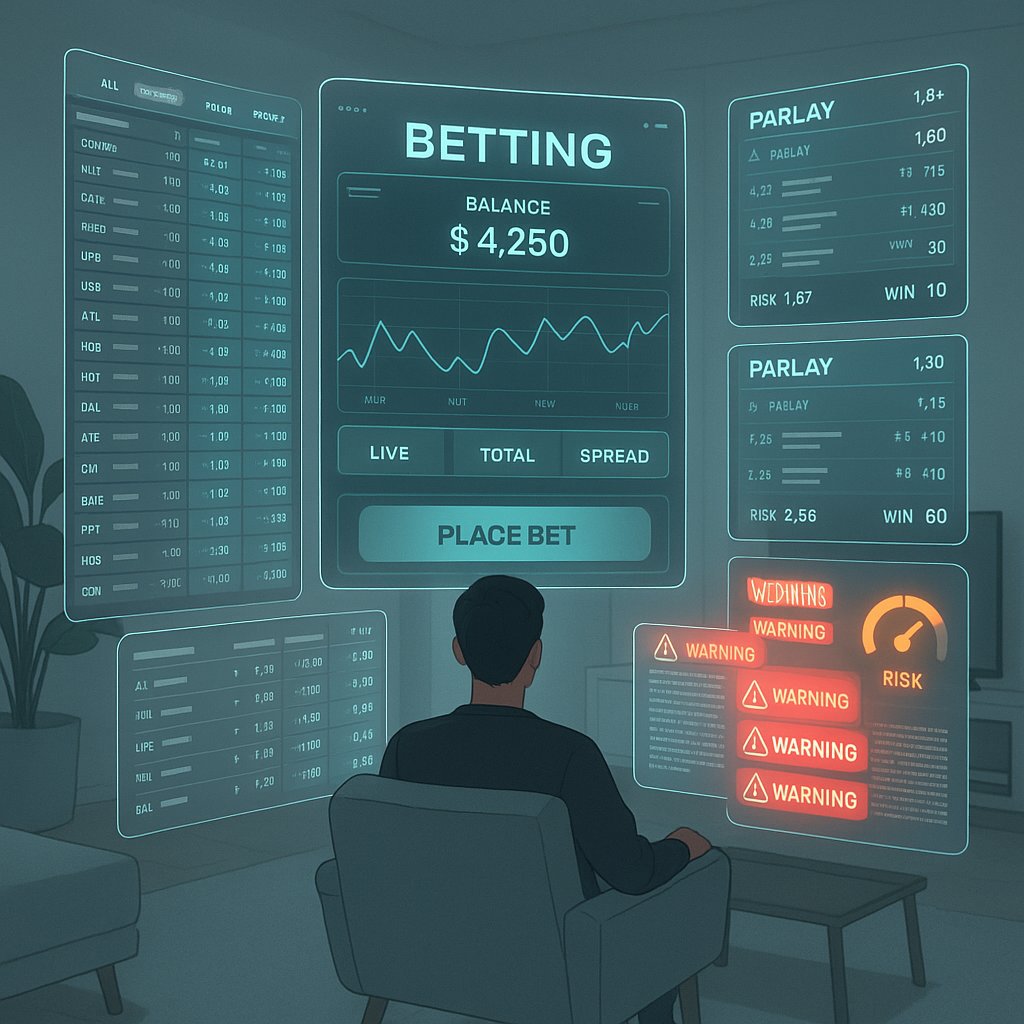
Most 2026 betting platforms look busy because they have to serve both sharp users and casual fans. If you know where to look, the layout is predictable and you can quickly see which site deserves your action and which one should be avoided.
When you open a sportsbook, move through it in this order:
- Top navigation: sport, league, and account tools
At the very top or along a side menu you will see major sports and leagues (NFL, NBA, soccer, tennis) and links to account settings, cashier, and support. Before you bet, confirm:- Your state or country is correctly detected.
- Deposit and withdrawal options you actually use are available.
- Any verification steps are clearly explained.
- Central odds board: market and odds format
The main middle panel shows moneylines, spreads, totals, and often same-game parlay buttons. Make sure you can answer:- What odds format is shown (American, decimal, fractional) and can you change it?
- Are odds for both sides of a market competitive compared with one or two other books?
- Can you filter by time, competition, or bet type so you are not scrolling endlessly?
- Bet slip: live cost and payout information
On the right or bottom of the screen sits the bet slip. This is where you see stake, potential payout, and how a parlay is constructed. Before confirming, check:- Stake, odds, and total payout including your original stake.
- Whether you are placing a straight bet, parlay, or teaser by mistake.
- If the slip shows how each leg in a parlay affects the overall price.
- Promotions area: read the fine print, not just the headline
Bonus banners and carousels highlight odds boosts, parlay insurance, and cross-play offers that link sportsbook and online casino products. Anytime you see a promo you want to use, read the terms for:- Minimum odds requirements (for example, -300 or longer).
- Eligible markets (same-game parlay vs multi-game parlay, pregame vs live).
- Playthrough requirements before cashing out bonus funds.
Take one extra minute on any new betting site to walk this path: nav > odds board > bet slip > promo terms. That habit alone filters out many expensive misunderstandings.
Using Parlays in 2026: Same‑Game, Multi‑Game, and Practical Limits
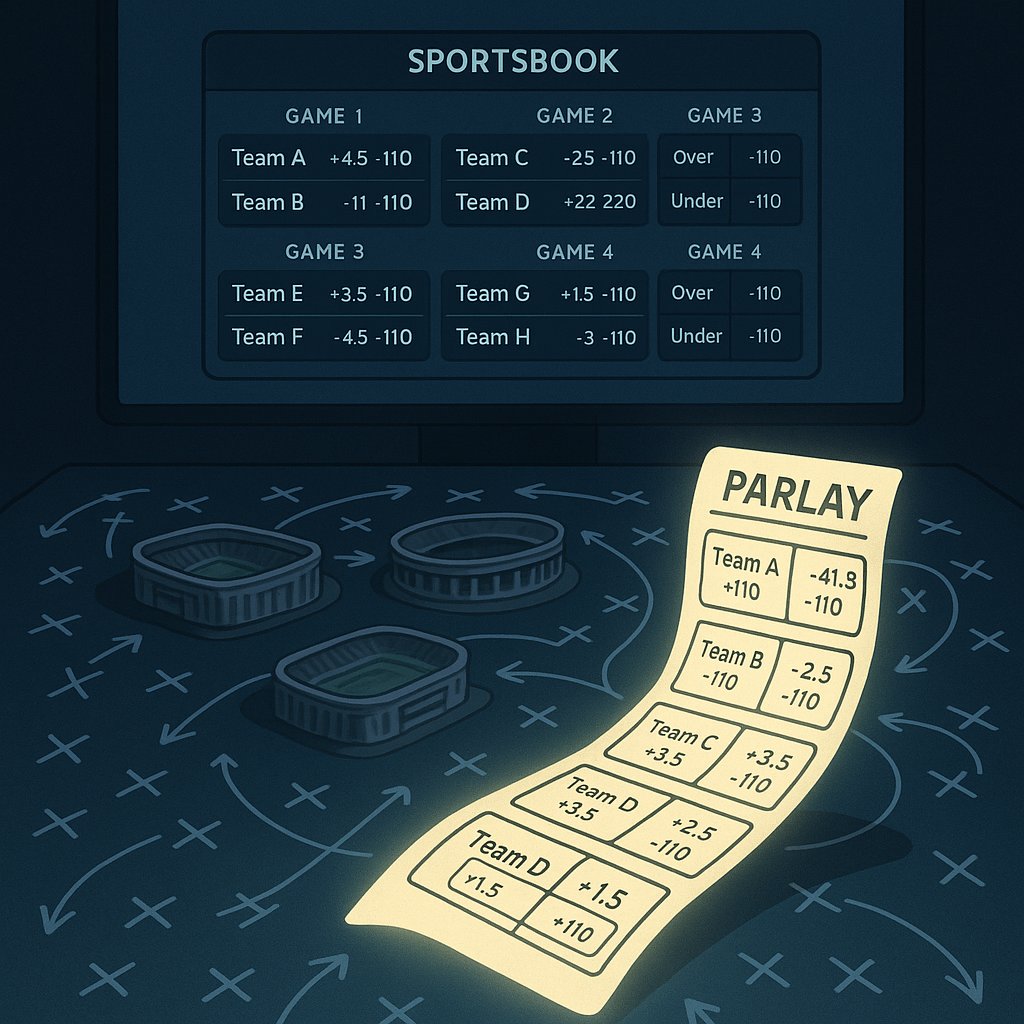
Parlays are not new, but 2026 sportsbetting apps make them central: one-tap same-game parlay builders, prepackaged “featured” tickets, and parlay boost tokens. Used well, parlays can condense opinions into a single, higher-paying ticket. Used poorly, they turn solid ideas into long-odds bets that rarely cash.
Break parlays into three main categories:
- Classic multi-game parlays
These combine sides or totals from different games or sports. They work best when:- You have separate, independent opinions (for example: one NFL side, one NBA total, one soccer moneyline).
- You keep leg count low (2–4 legs) to avoid compounding risk too aggressively.
- You know the implied probability versus what you actually believe about each pick.
- Same-game parlays (SGPs)
Same-game parlays let you tie together correlated outcomes within one event, such as a team to win plus a star player to score. Sportsbooks often price SGPs to protect themselves, so even when legs seem related, the combined odds are not always a bargain. Use SGPs when:- You have a clear, specific game script (“fast-paced shootout”, “defensive grind”).
- You keep to a small number of legs that all match that script.
- You treat them as higher-variance bets, not the core of your weekly staking plan.
- Promo-driven parlays
Many books promote parlay boosts or insurance. In 2026, these offers are tightly defined: minimum number of legs, minimum odds, and qualifying leagues. They can make sense when:- You were already planning a parlay that meets the promo rules.
- You cap the stake because the boost does not change the variance, only the return.
- You avoid stretching a parlay with extra legs just to hit a requirement.
Whatever the format, the sustainable approach is simple: parlays should be a small, clearly defined slice of your total weekly betting exposure. Make them deliberate tools, not your default bet type on every screen.
Where Online Casino Fits: Keeping Sports and Casino Risk Separate
Most regulated operators now bundle sportsbook, online casino, and sometimes poker or DFS into one login. That is convenient, but it blurs risk. A cold day of betting can silently push you into chasing losses on slots or table games; a hot casino run can tempt oversized sports wagers.
Use clear separation tactics inside a unified account:
- Define separate budgets
Set a hard weekly or monthly number for sportsbetting and a separate figure for any online casino play. Once either number is reached, you stop that category until the next period, even if the other category is winning. - Turn off or ignore cross-promos that break your plan
Books often push offers like “bet sports, get casino spins” or “play blackjack to unlock a sports free bet.” Only accept these when they fit into your existing plan and stakes; never expand your bankroll just to qualify. - Use tools the platform already gives you
In 2026, most operators provide deposit limits, time reminders, and product-specific locks. If you know you tilt from sportsbook losses into roulette or blackjack, use product blocks on the online casino tab during busy sports seasons. - Keep tracking simple
Even if the statement is combined, maintain your own log or mental ledger: how much went to sports, how much to casino, and how much came back. This reveals whether parlays or table games are doing more damage to your long-term results.
When you treat the sportsbook and online casino as different risk buckets instead of one giant balance, it is much easier to spot and correct bad habits before they get expensive.
Costly Mistakes to Avoid Across Sites, Parlays, and Daily Routines
The biggest leaks in a betting routine rarely come from one bad pick. They come from patterns that look harmless in the moment and repeat week after week. In 2026, with fast apps and one-tap bet slips, these patterns are easier than ever to fall into.
Watch for and fix these common issues:
- Chasing odds boosts you do not understand
Odds boosts, parlay specials, and prebuilt tickets are designed for entertainment. They are fine in moderation, but treating every promoted bet as a must-play turns your card into a marketing schedule instead of a strategy. - Betting unfamiliar markets just because they are available
Micro-markets, player combos, and niche leagues fill today’s menus. Unless you know the sport, the rules, and how lines are set, keep your stake tiny or skip them entirely. - Overbuilding parlays
Adding “just one more leg” is where most parlay value disappears. Decide your maximum number of legs in advance and stick to it. If a ticket needs six or seven outcomes to cash, treat it as a longshot entertainment bet, not part of your core staking plan. - Ignoring basic bankroll structure
Even recreational bettors benefit from a simple unit system. Pick a small, consistent base stake (for example 1% of a rolling bankroll). Use that for normal bets, and keep parlays or longshots capped at a few units at most. - Not comparing sites at all
Different books regularly hang different prices on the same markets. That matters over time. When you are ready to expand beyond a single account, consider signing up through a trusted betting site recommendation, such as this vetted option: see a current betting site offer here. Use it alongside your existing book to compare odds and promos before you place a wager. - Skipping the glossary and rules
Many disputes and frustrations come from not reading how pushes, player injuries, or voided legs are handled. A quick scan of a betting terms glossary and house rules for each operator protects you from nasty surprises when a game or parlay is settled.
Build one or two safeguards at a time: a unit size, a leg cap for parlays, or a rule to avoid markets you cannot explain in simple language. Those small rules add up to a much cheaper learning curve.
Conclusion: Turn 2026 Features Into Structure, Not Chaos
Sportsbetting in 2026 gives you more tools than ever: deep menus, live props, instant parlay builders, and tight integration with online casino products. Those features can either sharpen your experience or scatter your attention and bankroll.
The difference comes down to three habits:
- Reading every new betting site in a consistent way so you understand odds, promos, and settlement rules before money is at risk.
- Using parlays intentionally, with clear limits on leg count and stake size, instead of letting every bet morph into a longshot ticket.
- Keeping sportsbook and casino activity in separate lanes, reinforced by budgets and platform tools, so cold streaks in one do not bleed into the other.
If you apply that structure, the modern 2026 landscape stays what it should be: a controlled, entertaining way to engage with sports and games, not a chaotic stream of impulse bets and avoidable mistakes.
FAQ
Q:
How do I quickly tell if a 2026 sports betting site is trustworthy?
A:Look for a current license from a recognized regulator in your region, clear terms and conditions, and transparent info on odds, fees, and withdrawal times. Check whether the site uses two-factor authentication and offers responsible gambling tools like deposit or loss limits.
Q:
What’s the safest way to use parlays without risking my whole bankroll?
A:Keep your parlay stakes to a small, fixed percentage of your total bankroll and avoid stuffing them with too many legs just to chase big payouts. Use parlays for selective, high-conviction spots rather than making them your main bet type.
Q:
How can I avoid getting confused by different odds formats across sportsbooks?
A:Most 2026 sites let you toggle between American, decimal, and fractional odds in your account or page settings. Pick one format you understand best, set it as default everywhere you bet, and use an odds converter tool if you need to double‑check prices.
Q:
What hidden mistakes do recreational bettors make when switching between sportsbooks and online casinos?
A:Many players mix sports and casino balances, chase losses across platforms, or ignore playthrough rules on bonuses. Track your bankroll separately, read the promo terms before opting in, and avoid raising stakes just because a different app is open.
Q:
How do bonuses and promos actually affect my long-term results in 2026?
A:Bonuses can boost your bankroll, but rollover requirements and odds restrictions often reduce their real value. Focus on promos that match bets you’d place anyway, and avoid changing your strategy just to clear a bonus faster.
Related Reading
- Sports Betting in 2026: Practical Ways to Use Parlays Without Blowing Your Bankroll
- Sports Betting in 2026: A Straightforward Guide to Sites, Parlays, and Safer Play