Table of Contents
- Overview: Sportsbetting Is Now an Ecosystem, Not a Single App
- Core Sportsbooks: Where Most Bets Still Start
- Parlay Specialists and How to Use Them Without Overexposing Your Bankroll
- Betting Exchanges, Reduced Juice, and Positive-EV Hunting
- Where Online Casinos and Mobile Apps Fit Into a Modern Betting Stack
- Conclusion: Build a Purpose-Driven Mix of Sites and Tools
- FAQ
Overview: Sportsbetting Is Now an Ecosystem, Not a Single App
Expert Insight:
According to Oddsshark (www.oddsshark.com), its sportsbook review page highlights top legal sports betting sites, apps, DFS platforms, and tools based on what makes each option uniquely valuable to different bettor needs, such as Kalshi for wagering on Bitcoin prices and Rotten Tomatoes scores or BetMGM for building same-game parlays: https://www.oddsshark.com/sportsbook-review. (www.oddsshark.com)
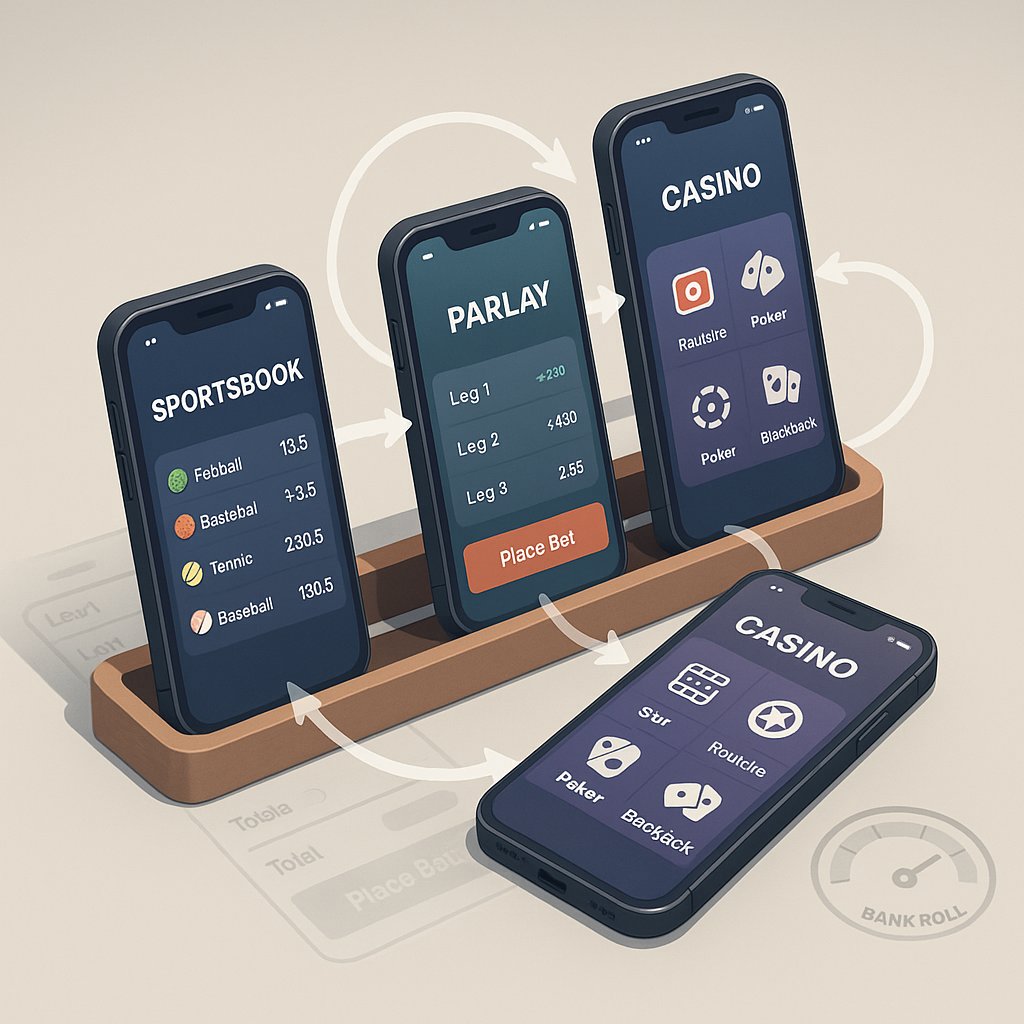
Sports betting in 2026 is less about finding one perfect betting site and more about building a small ecosystem of apps and tools that match how you actually wager. Traditional sportsbooks, betting exchanges, parlay-focused apps, and online casino hybrids now overlap, each filling a different role in your betting routine.
Leading review hubs like OddsShark, SportsHandle, Action Network, and GamblingSite.com all show the same trend: there is no single “best” sportsbook for every bettor. DraftKings, FanDuel, BetMGM, ProphetX, and mobile-first operators all specialize in different things—from same-game parlay depth and live markets to reduced juice and niche props. The edge now comes from recognizing what each does well and slotting them into a defined strategy.
This article focuses on how modern bettors can assemble a practical mix of platforms: which apps handle core bets, which shine for parlays, when a betting exchange beats a traditional book, and where online casino integration actually adds value rather than distraction.
Core Sportsbooks: Where Most Bets Still Start
Even as new formats and tools emerge, mainstream regulated sportsbooks remain the backbone of most sportsbetting activity. Brands like DraftKings, FanDuel, BetMGM, and Caesars continue to dominate because they combine several critical features in one place: reliable markets, deep props, robust mobile apps, and fast payouts.
Reviews from SportsHandle, Action Network, CBS Sports, and OddsShark consistently highlight a few core strengths of these leading operators:
- Depth of markets:From NFL and NBA to tennis, MMA, and global soccer, top books cover pregame moneylines, spreads, totals, player props, and in many cases niche markets like alternate lines and team specials.
- Live betting infrastructure:In-play wagering speed, stability, and pricing accuracy now separate mature operators from smaller competitors. DraftKings and FanDuel in particular are praised for quick lines and frequent updates.
- Promotions with structure:Risk-free-like first bets, bonus bets, profit boosts, and insurance on multi-leg wagers are used by many bettors to pad bankrolls or offset variance when testing new markets.
- Regulated banking:Instant or near-instant deposits, plus withdrawals that typically clear within 24 hours via mainstream methods, remain a key trust signal compared with offshore options.
For most bettors, the practical move is to make one or two full-service sportsbooks your primary hubs for straight bets and small parlays, while using specialized platforms to fill very targeted needs such as ultra-low juice or extreme parlay creativity.
Parlay Specialists and How to Use Them Without Overexposing Your Bankroll
Parlays are front and center in nearly every modern betting app, but some operators have built their brands around pushing multi-leg action even further. BetMGM is well known for its dedicated same-game parlay (SGP) menu offering creative combinations like multi-touchdown scorer props, alternate player yardage, and exotic scoring outcomes. FanDuel leans on recurring profit boosts and insured parlays, while DraftKings offers structured menus that make it easier to build correlated or themed multi-leg tickets.
Goal.com and SportsHandle both emphasize that parlay-focused betting site options have evolved beyond simple multi-game moneylines. Bettors can now build:
- Single-game “stat ladders”:Combining alternate passing, rushing, or receiving yard props for the same player or game.
- Cross-game parlays:Mixing multiple matchups across the same league slate, often boosted via seasonal promos for NFL, NBA, or major soccer tournaments.
- Parlay-plus features:Add-ons like parlay insurance (refunds if one leg loses) or profit boosts tied to specific leagues or bet counts.
However, Action Network and other sharp-focused resources consistently point out that the house edge usually increases as you add legs, even when odds look appealing. If you want parlays in your sportsbetting routine without letting them dominate your bankroll, consider a structural approach:
- Cap parlay exposure:Set a fixed, small percentage of your total weekly volume for high-variance tickets. Treat them as entertainment, not core strategy.
- Reserve top books for complex builds:Use BetMGM or FanDuel when you want creative SGPs, but keep your primary bankroll on platforms where you regularly place straight bets and two-leg combos with clearer value.
- Limit correlation traps:Understand that heavily correlated legs (for example, alternate spread plus multiple player overs in the same game) often come with hidden pricing penalties, even when they look like “locks.”
Goal-driven parlay usage—rather than chasing a single life-changing hit—lets you leverage the rich menus at parlay-centric apps while keeping your overall risk in check.
Betting Exchanges, Reduced Juice, and Positive-EV Hunting
One of the biggest structural shifts highlighted by Unabated and other advanced betting tools is the rise of low-margin and exchange-based platforms. ProphetX, for example, operates more like a sports betting exchange than a traditional book, with commission around 1% rather than the typical 10% implied vigorish. Instead of betting against the house, you are matched against other users who take the opposite side, while the exchange collects a small fee.
This model matters for two reasons:
- Sharper pricing over time:With reduced commission, profitable bettors lose less to the house on every win, which compounds significantly for higher-volume players.
- Alternative market dynamics:Prices may move on genuine user demand rather than fully algorithmic risk management by a single operator, sometimes creating inefficiencies.
Unabated’s odds comparison tools and positive-EV guides show how serious bettors now treat exchanges and reduced-juice books as core parts of their workflow. Typical patterns include:
- Benchmarking lines:Checking exchange prices against multiple regulated sportsbooks to identify outlier numbers or mispriced totals.
- Hedging and offloading positions:Using an exchange to trade off part of a pregame or futures bet when market sentiment shifts.
- Targeted straight bets:Placing only the most edge-positive wagers at low-commission venues, while using mainstream sportsbooks for promotions, live markets, and parlay menus.
The catch is that exchanges often have fewer markets and less depth in niche sports than major operators. Reviews from early adopters consistently note that these platforms work best as a complement, not a replacement: use them where they are strong (sides, totals, select props) and keep broader action on full-service sportsbooks.
Where Online Casinos and Mobile Apps Fit Into a Modern Betting Stack
Many leading sportsbooks now operate in tandem with an online casino, particularly in U.S. states that allow both verticals. RantSports, GamblingSite.com, and mobile-focused reviews on SportsHandle and CBS Sports note that cross-product integration is a major selling point: one login, a shared wallet, and unified loyalty rewards that span slots, table games, and sports markets.
Bettors use this integration in several ways:
- Bankroll flexibility:Winnings from sports can be quickly moved into low-stakes casino games during off days, or vice versa, without needing to withdraw and redeposit.
- Unified rewards:Many operators credit points for both sports betting and casino play, which can be redeemed for boosts, bonus bets, or on-site offers.
- Promotional sequencing:Some welcome and reload offers are linked across products, for example: bet on sports to unlock spins or play casino games to receive sports bonus bets.
However, the same cross-play that makes everything seamless can also blur boundaries. Because casino games resolve quickly and often, they can accelerate risk if you are prone to chasing losses or using fast games as a way to escape frustration from a losing sports weekend. Healthline’s coverage of racing thoughts and compulsive patterns, while not specific to gambling, underscores how quickly reactive decision-making can override planned strategies when emotional triggers are involved.
The safest way to treat a combined sportsbook and online casino app is to create separate rules:
- Distinct budgets:Define how much of your overall bankroll is allocated to sports and how much to casino play, and do not transfer between them mid-tilt.
- Separate time windows:Avoid oscillating between a losing live bet and high-speed slots or table games in the same session.
- Purposeful use of promos:Accept cross-product offers only when they fit your normal stakes and games, rather than letting a bonus dictate your risk profile.
If you are building your first serious setup and want a regulated operator that combines sportsbook and casino under one roof, consider starting with a reputable, licensed betting sitethat clearly discloses its terms, banking options, and responsible gambling tools.
Conclusion: Build a Purpose-Driven Mix of Sites and Tools
Modern sportsbetting is no longer about finding a single perfect app. It is about assembling a small ecosystem where each piece has a clear job: full-service sportsbooks for day-to-day betting, parlay specialists for creative multi-leg wagers, reduced-juice or exchange platforms for line-shopping and positive-EV plays, and, where desired, an online casino layer that is governed by its own rules and limits.
When you evaluate sites using this lens, reviews from OddsShark, Action Network, SportsHandle, RantSports, Goal.com, GamblingSite.com, and others become more actionable. You are not asking “Who is the best overall?” but “Which platform fits this specific task in my routine?” Once each app has a defined role, you can manage risk more effectively, use promotions more strategically, and keep parlays as a controlled part of your betting instead of the entire game plan.
The end goal is not to chase every new feature or bonus, but to create a streamlined, multi-site setup that lets you place the bets you actually want—on terms that support long-term sustainability rather than short bursts of action.
FAQ
Q:
What’s the main difference between a sportsbook and a betting exchange?
A:A traditional sportsbook sets the odds and takes the opposite side of your bet, building in a margin. A betting exchange matches you directly with other bettors, so you can back or lay outcomes, often with sharper odds but variable liquidity.
Q:
When does a parlay-focused platform make more sense than a regular sportsbook?
A:Parlay specialists are better if you like building multi-leg bets with flexible same-game and cross-game options, quick parlay builders, and boosted payouts. If you mostly place single straight bets, a standard sportsbook with deeper markets will usually be more useful.
Q:
How can I compare sports betting platforms beyond welcome bonuses?
A:Look at pricing (average margins or exchange commissions), market depth, live betting tools, cash-out options, and limits. Also compare app stability, speed, interface, and how easy it is to track and export your betting history.
Q:
What should I check before using an online casino–sportsbook hybrid?
A:Check that the sports section isn’t an afterthought: you want full market coverage, competitive odds, and reliable in-play features. Also confirm that wallet management is simple and that casino promotions don’t restrict how you bet on sports.
Q:
Is it worth having accounts with multiple sports betting platforms?
A:Yes, using several platforms lets you shop for better odds, access different features like exchanges or parlays, and avoid limits on a single account. Just keep a clear record of balances and focus on the sites you actually use regularly.