Table of Contents
- Overview: Techniques, Not “Systems”
- Core Math: RTP, House Edge, Variance, and Pace
- Choose the Right Battles: Rules and Games That Actually Help
- Multipliers and Side Bets Are the Casino’s Parlays
- Sessions, Promotions, and Wellness Guardrails
- Health Conditions and a Condition Spotlight: When Play Stops Being Play
- Conclusion: Play the Lower‑Edge, Lower‑Pace Game
- FAQ
Overview: Techniques, Not “Systems”
Expert Insight:
According to www.healthline.com (https://www.healthline.com/health/addiction/gambling), problem gambling affects more than 2% of Americans and is characterized by an uncontrollable urge to gamble—continuing to buy lottery tickets, visit casinos, bet on sports, or gamble online despite negative social, financial, or legal consequences. (www.healthline.com)
There is no magic system that beats an online casino. What actually helps is using math and pace control to lower your effective cost of play while keeping risk in check. This guide explains the science: return to player (RTP), house edge, and variance. You will see which rules matter, which games to favor, how side bets mimic a parlaytax, and how to shape sessions that protect your attention and bankroll.
We also tie concepts to familiar sportsbetting ideas. Casino outcomes are faster and more variance‑heavy than a single game bet, so unit sizes, tempo, and game selection matter even more. Throughout, you will find plain, actionable techniques you can use on any betting site without falling for myths or high‑tax bets.
Finally, keep wellness front and center. If gambling stops feeling recreational, prioritize your health. Use limits and cool‑offs, and consider professional support resources. Play should fit inside your life—not define it.
Core Math: RTP, House Edge, Variance, and Pace
RTP and house edge
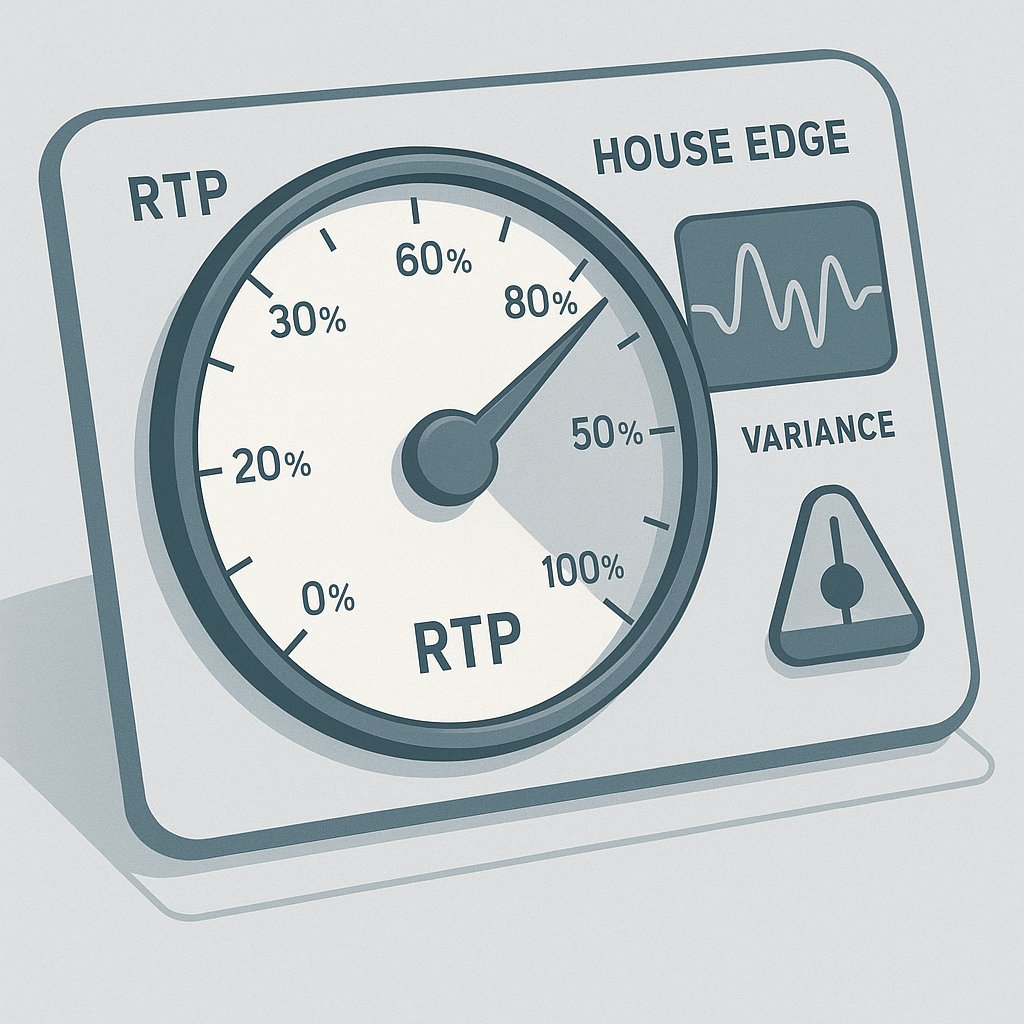
describe the same idea from opposite sides. If a game advertises 98% RTP, the house edge is 2% on average. Your actual result will swing above or below that expectation because of variance—the distribution of wins and losses around the mean.
Pace multiplies the edge against you.
A 2% edge over 100 hands is a small expected loss; over 1,000 rapid decisions, it adds up. Slower formats (live dealer), deliberate breaks, and lower decisions per hour reduce expected loss and stress.
- Lower‑edge table games(with correct play): blackjack with 3:2 and good rules (~0.5%–1%), baccarat banker (~1.06%), craps pass/don’t pass (~1.36%/1.36%), single‑zero roulette (2.7%).
- Video pokervaries by paytable; full‑pay versions can approach or slightly breach 99% RTP with perfect play.
- Slotstypically range widely (often 90%–97% RTP); volatility and pace are high.
- Side bets and multipliersusually carry much higher house edges—think of them as the casino’s parlay: bigger thrills, higher tax.
In sportsbetting, you might place a few bets per day. In an online casino, you can make hundreds of decisions per hour. If your goal is longevity and control, optimize for lower edge, lower pace, and intentional session boundaries.
Choose the Right Battles: Rules and Games That Actually Help
Blackjack
: Seek 3:2 blackjack, dealer stands on soft 17, double after split allowed, resplit pairs allowed, surrender available. Avoid 6:5 payouts. Use a basic strategy card to keep error rates low; misplays can add 1%–2% to the house edge.
Video poker
: Identify the paytable before you sit. Example: 9/6 Jacks or Better (9 for a full house, 6 for a flush) is far stronger than 8/5. Use a simple strategy chart; small holding errors compound quickly.
Baccarat
: Banker is the workhorse bet because of its lower edge (commission included). Player is fine. Avoid Tie and flashy side bets—they’re high‑tax and behave like parlays.
Craps
: Pass or Don’t Pass with maximum odds (odds bet has 0% house edge) is the clean core. Place bets on 6/8 can be acceptable. Skip proposition bets (Yo, Any 7, Hardways) that inflate volatility and cost.
Roulette
: Choose single‑zero (European) wheels. Avoid double‑zero (American) and roulette side bets dressed up with multipliers—the base edge already tells you the long‑run story.
Slots and progressives
: Check RTP where disclosed; favor higher RTP and moderate volatility if you want steadier sessions. Progressive jackpots increase variance sharply; treat them as entertainment, cap your stake, and slow your spin rate.
Live dealer vs RNG
: Live dealer slows decision pace—good for bankroll longevity. RNG is faster—great for the casino, risky for you. Choose the product that fits your goals.
Multipliers and Side Bets Are the Casino’s Parlays
Side bets, multipliers, and bonus wheels stack risk the way a multi‑leg parlay does in sportsbetting. The promise is a bigger pop; the reality is a higher hidden tax.
- Correlation traps: In blackjack, side bets tied to pairs or suited outcomes overlap with the main hand but pay poorly relative to true odds.
- Roulette and craps props: One‑roll bets and boosted numbers look exciting but carry double‑digit edges.
- Game shows/crash variants: Multipliers and escalating cash‑outs spike variance; a fast pace compounds expected loss.
Use a simple rule: if it adds flash to a fair base game, it likely adds house edge too. Keep your main bet; skip the parlay‑like add‑ons.
Sessions, Promotions, and Wellness Guardrails
Bankroll and unit sizes
: Decide your total session budget first. For table games, a common approach is 100 units per session with 0.5%–1% bet size per decision. For slots or high‑volatility titles, smaller units and fewer total spins help manage swings.
- Pace control: Favor live dealer or add a 10–20 second pause between decisions. Silence auto‑play; it erases intention.
- Stop points: Pre‑commit a max loss and a time cap. If either hits, you stop. Lock small wins by reducing bet size or taking a break.
- Promotions: Read wagering and contribution rates. Some games contribute 10% or 0% to rollover. Convert bonuses to an effective rebate; if the required play is huge or excludes your preferred low‑edge games, it may not be worth it.
- Account tools: Use deposit limits, loss limits, timeouts, and self‑exclusion if needed. These are built‑in Programs for healthier play.
If you choose to play, pick reputable platforms that clearly display rules, limits, and RTP. For transparent onboarding and configurable limits, you can try a trusted betting siteand set your controls before you place a single bet.
Wellness check‑ins
: Short breathing exercises between sessions help reset attention and reduce impulsivity. Keep your play inside your life’s bigger Featured priorities—sleep, exercise, family, and work. Treat this as entertainment, not income.
For ongoing skill‑building, look for clear Lessons on rules and paytables, concise Product Reviews of live dealer offerings, and practical Newsletters that recap Topics like RTP changes and new table variants.
Health Conditions and a Condition Spotlight: When Play Stops Being Play
Most people can gamble casually, but some develop problematic patterns. Warning signs include chasing losses, hiding spend, skipping responsibilities, and escalating bet sizes. If these Conditions appear, step away and consider a professional evaluation.
Condition Spotlight
: Compulsive gambling can co‑occur with anxiety, mood disorders, or stress. Evidence‑based supports include cognitive behavioral therapy, peer Programs (e.g., group meetings), and structured cool‑offs. Simple self‑care—sleep hygiene, movement, and brief breathing practices—also supports Wellness.
If you feel your control slipping, prioritize your Health, not the next bet. Use site tools to lock accounts, ask a trusted person to monitor finances, and talk to a licensed professional. Educational Topics, supportive Newsletters, and vetted Programs can help you reset your relationship with betting.
Conclusion: Play the Lower‑Edge, Lower‑Pace Game
Online casino outcomes are driven by math and pace. Choose low‑edge rules, skip side bets that behave like parlays, slow your decisions, and define session boundaries before you start. If you also read promotions carefully and keep Wellness in view, you will reduce your cost of entertainment and protect your time, money, and focus.
Sportsbetting and casino play both reward discipline. Treat every game selection, rule choice, and bet size as a deliberate decision—then give yourself permission to step away when the plan says you are done.
FAQ
Q:
How can I estimate my expected loss per hour when playing online?
A:Multiply your average bet by the decisions per hour and the game’s house edge. Example: $2 average spin × 500 spins/hour × 4% edge ≈ $40 expected loss per hour; slowing to 250 spins halves that. Variance means results swing short term, but the hourly burn rate follows that math.
Q:
Is card counting viable in online blackjack?
A:In RNG blackjack, the shoe is effectively shuffled every hand, killing any counting edge. Most live-dealer tables use continuous shuffling or shallow penetration, making a positive count rare and tiny. You’ll get far more mileage from 3:2 payouts, good rules, and strict basic strategy.
Q:
Do autoplay or turbo modes change my odds?
A:They don’t change RTP or house edge, but they massively increase decisions per hour and therefore expected loss. Turn off quick spin, skip auto-retrigger, and cap spins per session if you want to reduce burn rate. Faster feels fun, but it’s just higher throughput.
Q:
What’s the quickest way to tell if a bonus is worth it?
A:Compute total required wagering: bonus amount × wagering requirement ÷ game contribution. Then estimate clearing cost: total wagering × your game’s house edge; if the bonus value exceeds that cost, it’s +EV. Prefer low WR, 100% contribution games with low edges and no cap on winnings.
Q:
Will switching tables or slots improve my luck after a cold run?
A:Outcomes are independent, so changing seats doesn’t reset odds or make a win due. Switching only helps if you’re moving to better rules, higher RTP, or a slower pace that reduces decisions per hour. Avoid chasing losses; downshift stakes or take a break instead.
Related Reading
- Betting Site Techniques: Small Settings, Big Impact for sportsbetting and online casino
- Myths vs. Facts: Debunking Common Misconceptions About Online Casinos
- Online Casino Techniques: A Practical Weekly System for Sportsbetting, Parlays, and Safer Play
- Myths vs Facts: Responsible Gambling and the House Edge Every Bettor Should Understand
- Beginner’s Guide to Betting Sites: How to Start Sportsbetting and Online Casino Play Safely
- Online Casino Techniques: From Smarter Sportsbetting to Sharper Parlays
- Progressive Jackpots vs Regular Slots: Payout Math, Risk Profiles, and Where They Fit in Your Online Casino Strategy
- Online Casino Side Bets Explained: When Blackjack, Roulette, and Baccarat Add‑Ons Are Fun Extras vs Bankroll Killers
- Online Casino Table Game Mistakes: 17 Costly Habits in Blackjack, Roulette, and Baccarat That Quietly Kill Your Bankroll