Table of Contents
- Overview: Sports Betting in 2025 Is Faster, Smarter – and Riskier
- Building Smarter Parlays in 2025: Structure, Edges, and Limits
- Finding Sharper Odds: Projections, AI Tools, and Line Shopping
- Safer Online Betting: Bankroll, Mental Health, and Site Selection
- Putting It Together: Practical 2025 Routine for Smarter, Safer Action
- FAQ
Overview: Sports Betting in 2025 Is Faster, Smarter – and Riskier
Expert Insight: According to www.unibet.com.au, Unibet positions itself as a licensed, long-established online bookmaker offering competitive odds across major leagues like the AFL, NRL and EPL, along with features such as live streaming, early cash-out on selected markets, and fast deposits and withdrawals to enhance the betting experience (https://www.unibet.com.au/betting/sports/home). (www.unibet.com.au)
Sportsbetting in 2025 is driven by live data, player props, and AI-powered projections. Lines update in real time, bettors have access to advanced models from platforms like Action Network and Unabated, and same-game parlays are pushed aggressively by every major betting site.
This environment creates opportunity and risk. You can build sharper tickets using tools, projections, and line shopping across sportsbooks, but you are also one tap away from impulsive parlays or drifting into an online casino session that goes well beyond your plan.
This guide focuses on three things that matter now: how to construct smarter parlays instead of lottery tickets, how to find sharper odds using modern tools and projections, and how to keep your online betting safe, intentional, and sustainable.
Building Smarter Parlays in 2025: Structure, Edges, and Limits
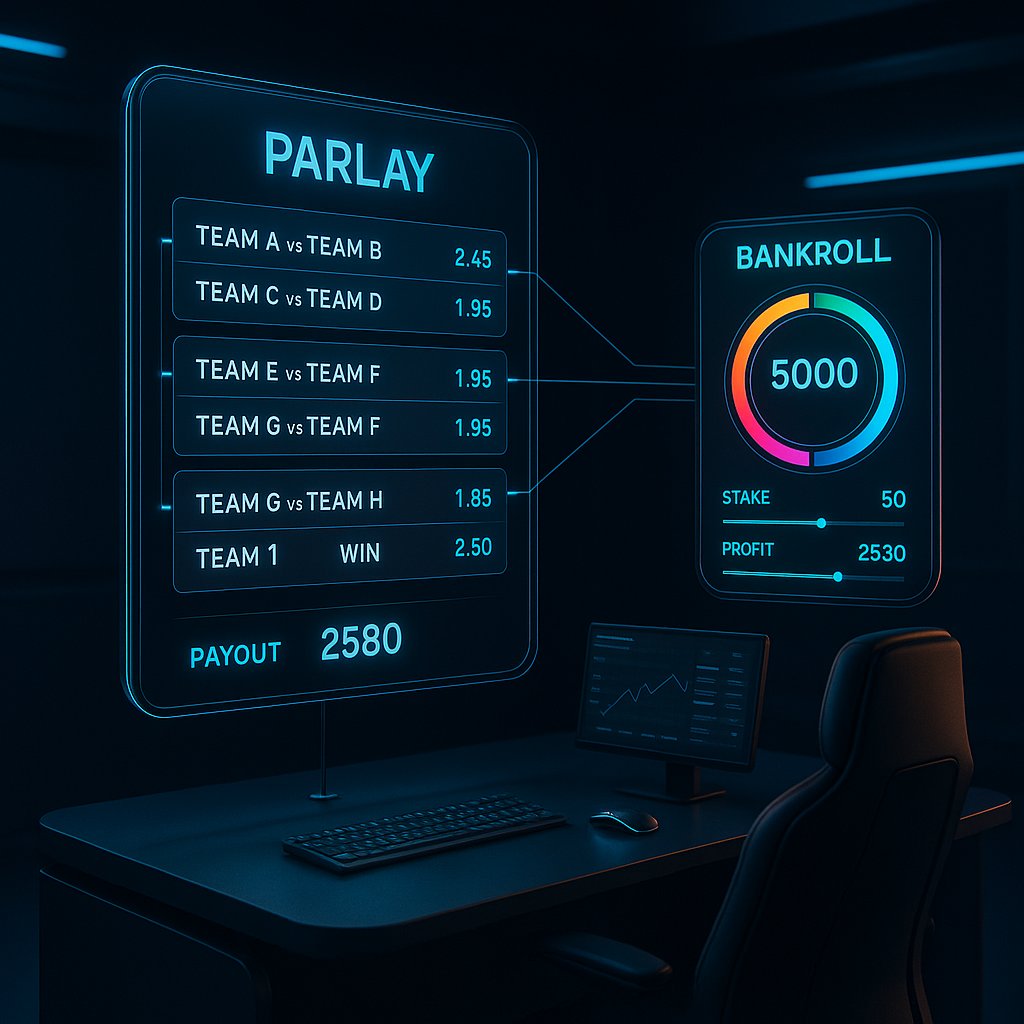
Parlays are still one of the biggest profit drivers for sportsbooks. They combine multiple legs into a single ticket, multiplying both your potential payout and your risk. In 2025, smarter parlays are less about chasing 10-leg miracles and more about stacking small edges with discipline.
1. Keep your leg count tight
Data and analysis from strategy sites like Unabated and TheSportsGeek consistently show that the house edge skyrockets as you add more legs. A practical 2025 parlay framework:
- Focus on 2–4 legs, whether you are betting NFL touchdown props, NBA totals, or soccer moneylines.
- Use larger stake sizes on shorter parlays instead of sprinkling small bets on 8+ leg tickets.
- Treat anything over 6 legs as entertainment, not a serious bankroll play.
2. Connect legs around a clear game script
Same-game parlays should tell a coherent story. For example, if you expect a pass-heavy NFL game:
- Over on passing yards for the quarterback.
- Over on receptions for the primary slot receiver.
- Under on rushing yards for an early-down running back.
Sites like Covers, which highlight weekly anytime touchdown picks and matchup notes, are useful for refining these scripts. The key is correlation: legs should logically move together with the same game flow, instead of contradicting each other.
3. Prioritize legs where you have information or model support
Skip speculative props built on vibes alone. Instead:
- Use projection tools (for example, from Action Network or similar services) to compare posted lines vs expected stats.
- Anchor your parlay to a couple of legs where you clearly see value (e.g., projection significantly above or below the sportsbook line).
- Fill remaining legs with modest, low-volatility markets like main spreads or totals, not long-shot specials.
4. Avoid hidden parlay traps
Sportsbooks design certain markets to lure parlays:
- Boosted odds that require many legs but hide a massive house edge.
- Highly correlated legs priced as if they’re independent (e.g., player yardage plus lofty alt lines that are already baked into the odds).
- Props with thin, noisy data like backup players, gadget plays, or low-usage role players.
A simple rule for 2025: your best parlays look almost boring. They are small, correlated around a game script, backed by information, and sized conservatively within a broader bankroll plan.
Finding Sharper Odds: Projections, AI Tools, and Line Shopping
Beating closing lines consistently is difficult, but 2025 tools give recreational bettors better access than ever to sharp pricing information. Your goal is not to build models from scratch; it is to use existing data and projections to avoid obviously bad odds.
1. Use projection portals to spot mispriced legs
Projection hubs such as Action Network projections aggregate model outputs for player props and game lines. To put them to work:
- Compare a player’s projected stat (e.g., 76.5 rushing yards) versus the line available at your betting site.
- Look for meaningful gaps, not tiny differences (for example, projection 10–15% higher than the posted number).
- Use these gaps as candidates for single bets or small parlay legs rather than blindly betting every disagreement.
2. Let AI and decision tools do some heavy lifting
AI-based sportsbetting guides, including those published by Action Network and similar platforms, can help you:
- Summarize matchup data, pace, and efficiency metrics faster.
- Highlight where models are aligned vs where they wildly disagree (often a sign to pass).
- Flag weather, injuries, and rest scenarios that might not be fully priced into lines yet.
AI should inform your betting, not replace your judgment. When multiple reputable tools and projections disagree or you do not understand why a bet is recommended, skip it.
3. Build a simple line-shopping routine
Line shopping, not wild predictions, is the most reliable edge most bettors can develop. In practical terms for 2025:
- Maintain accounts at multiple legal sportsbooks in your region; in Australia, for example, a brand like Unibet offers competitive odds on AFL, NRL, EPL, and more.
- Before locking in any parlay leg, quickly compare prices and alternate lines at 2–4 books.
- Take the best price every time, even if the difference looks small; over many bets, those small edges compound.
Specialized tools like Unabated’s positive-EV calculators and parlay optimizers can reveal where the combined payout on a ticket is actually fair vs heavily tilted toward the house. If a parlay pays markedly worse at one book than others, move on.
4. Exploit timing: openers vs in-play
Sharp odds are a moving target:
- Early lines can be softer if the market has not yet reacted to injury news or matchup nuances.
- In-play markets can misprice situations in chaotic games, but you must be quick and disciplined.
- Sportsbooks such as Unibet adjust rapidly as events unfold, so lingering bad numbers are rare and usually come with limits or other trade-offs.
In 2025, your edge often comes from acting before the rest of the market fully digests new information, then resisting the temptation to chase once the value has disappeared.
Safer Online Betting: Bankroll, Mental Health, and Site Selection
Staying safe while betting online is about more than avoiding scams; it is also about protecting your time, attention, and mental health. That matters as much for heavy sportsbetting action as it does for occasional online casino play.
1. Build a healthy bankroll framework
Bankroll management transforms betting from random swings into a controlled hobby:
- Set a fixed monthly amount you can afford to lose entirely without impacting bills, savings, or obligations.
- Bet a small fraction of that bankroll per play (often 0.5–2%, even on parlays).
- Avoid chasing losses or increasing stakes after a bad run; your risk should be pre-defined, not emotional.
2. Protect your mental health and decision quality
Health-focused outlets like Healthline regularly highlight how games and puzzles can be good for your brain but also how compulsive behaviors can erode well-being. Apply that insight to betting:
- Schedule betting windows; do not scroll lines late at night when you are tired or stressed.
- Take breaks after big wins and big losses to avoid impulsive “heat-check” bets.
- Watch for warning signs: hiding betting activity, constantly thinking about the next wager, or needing bigger bets for the same rush.
If you notice these patterns, step back. Use built-in sportsbook tools like deposit limits, time-outs, or self-exclusion, and consider reaching out to mental health professionals or local gambling support services.
3. Choose vetted, regulated betting sites
Legal, licensed operators invest in security, responsible gambling tools, and clear terms of service. To evaluate a betting site in 2025:
- Verify licensing details on the footer of the site and with relevant regulators.
- Check independent review hubs such as SportsHandle, which publish guides to the best sports betting sites and apps, including strengths, weaknesses, and user experience.
- Confirm that the book offers secure payments, transparent withdrawal rules, and customer support you can actually reach.
If you are considering branching into an online casino alongside your sportsbook, apply the same filters: licensing, clear game rules, published RTP, and robust responsible-gambling controls.
4. Set clear boundaries for casino-style play
Slots and fast-paced casino games have a much higher built-in house edge than most sports markets. To keep them in check:
- Treat online casino sessions as pure entertainment with a strict time and money budget.
- Never chase sportsbetting losses by flipping over to high-variance casino games.
- Use loss limits and reality checks if the platform offers them; many regulated sites do.
In 2025, safety is not about avoiding risk entirely; it is about designing your betting habits so risk stays in a lane you are comfortable with, financially and mentally.
Putting It Together: Practical 2025 Routine for Smarter, Safer Action
A sustainable 2025 betting routine blends sharper odds, structured parlays, and firm guardrails around your time and bankroll. Here is a simple workflow you can adapt:
- Pre-slate research: Scan projections and AI-informed breakdowns on tools such as Action Network, Unabated, and other strategy hubs like TheSportsGeek for your target league.
- Shortlist value legs: Identify a few props or lines where projections and your own read align on an edge, instead of building tickets from random favorites.
- Line shop every leg: Check multiple regulated sportsbooks and take the best available number before locking in any bet or parlay.
- Build disciplined parlays: Limit yourself to small, correlated tickets with stakes that fit comfortably inside your bankroll limits.
- Respect your limits: Use deposit caps, session timers, and cool-off periods if you feel your betting or online casino play drifting beyond your original plan.
If you are looking to experiment with a new betting site as part of this routine, consider starting with small stakes at a regulated operator that offers competitive odds, fast payouts, and robust responsible-gambling tools, such as this recommended betting site. Begin slowly, verify how they handle deposits and withdrawals in practice, and only then decide whether to scale up your action.
Sports betting in 2025 rewards clarity and discipline. Use data and tools to sharpen your edge, structure parlays with intention instead of hope, and protect your mental and financial health so that betting remains what it should be: an exciting, controlled extension of how you enjoy sports.
FAQ
Q: How is sports betting in 2025 different from a few years ago?
A: In 2025, bettors have easier access to real-time data, projections, and AI-powered tools that help price odds more accurately. Books adjust lines faster, so having multiple accounts, alerts, and projection models is more important than ever for staying ahead.
Q: What’s the smartest way to build a parlay in 2025?
A: Focus on fewer, higher-quality legs that you’ve priced yourself with projections instead of chasing big lottery-style payouts. Avoid highly correlated legs unless you understand how the book is pricing them, and only add legs when the value is clear, not just to inflate the payout.
Q: How can I use AI tools to find sharper odds?
A: Use AI or projection models to create your own “fair line,” then compare it to multiple sportsbooks to spot edges. When the market price is better than your model’s number by a meaningful margin, that’s a candidate for a +EV leg or straight bet.
Q: What does effective line shopping look like now?
A: Maintain accounts at several reputable books and use odds comparison tools to instantly see who has the best number. Prioritize grabbing the best line over convenience; a half-point or slightly better price consistently makes a big difference over a season.
Q: How do I stay safe and maintain healthy habits while betting online?
A: Only bet on licensed, well-reviewed sites, enable two-factor authentication, and keep your bankroll on a separate budget from everyday expenses. Set deposit and time limits, track every wager, and take scheduled breaks so betting stays entertainment, not a financial or emotional burden.