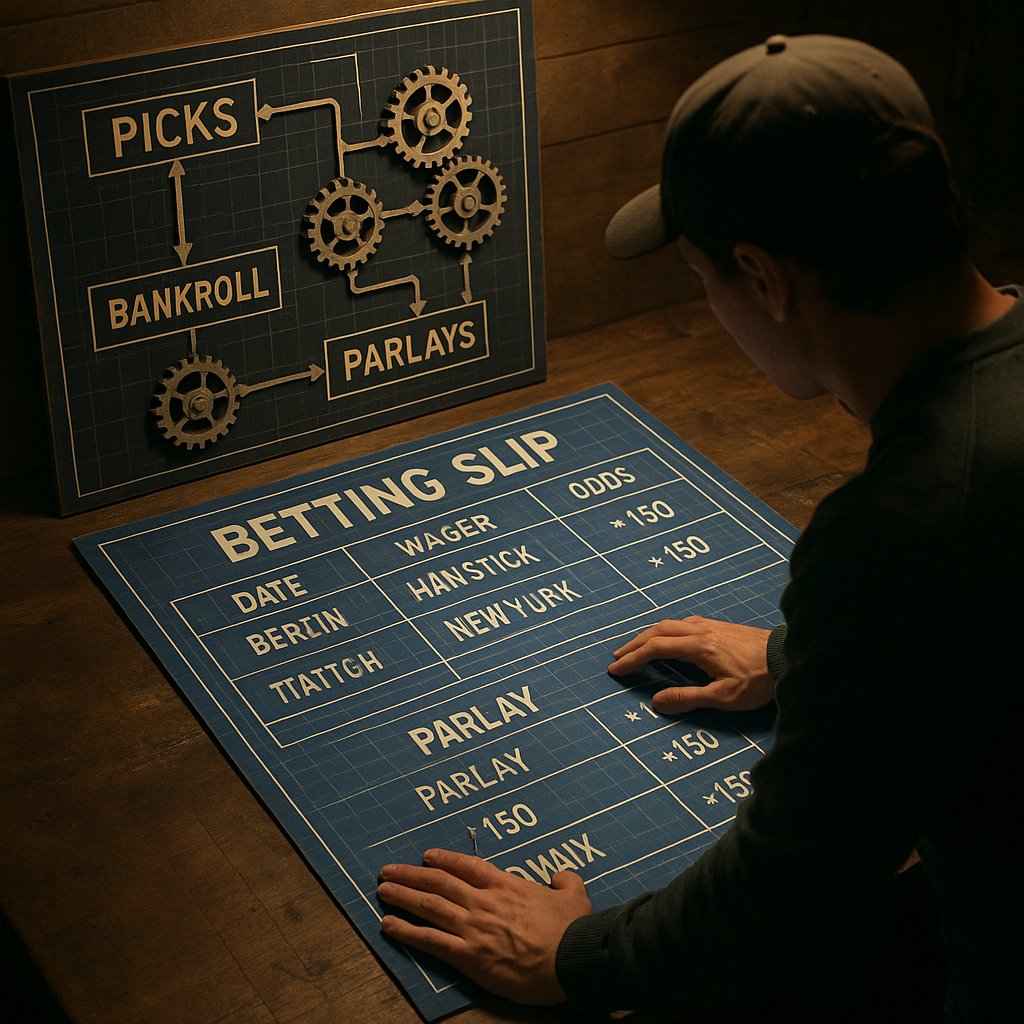

Table of Contents
- Overview: From Hot Takes to a Real Sportsbetting Process
- Building a Fan-First Framework: Bankroll, Units, and Game Selection
- Picks and Parlays: Turning Opinions Into Structured Bets
- Using Modern Betting Sites and Tools Without Getting Lost in Features
- Protecting Yourself: Variance, Tilt, and Early Signs of Harm
- Conclusion: A 2026 Blueprint for Serious, Sustainable Sportsbetting
- FAQ
Overview: From Hot Takes to a Real Sportsbetting Process
Expert Insight:
According to SportsHandle, the site—staffed by veteran journalists—focuses on original reporting, analysis, and reviews covering U.S. legal sports betting legislation, regulation, and the broader sports wagering and iGaming business landscape (https://sportshandle.com/). The outlet also publishes expert reviews and guides on sports betting apps, sites, DFS platforms, prediction markets, and online casinos to help users compare operators and improve their betting strategies (https://sportshandle.com/). (sportshandle.com)
By 2026, sportsbetting is everywhere: every game has live odds on screen, social feeds are filled with parlay slips, and most major books are tied to an online casinounder the same brand. The problem is that most fans still bet like it’s 2010—gut picks, random parlays, and chasing one big score.
Serious fans who last more than a season are doing something different. They treat betting like a repeatable system: defined stakes, consistent decision rules, and a clear separation between “fun lottery” bets and +EV attempts to win long term.
This article isn’t about secret edges or guaranteed profit. It’s about how modern fans in 2026 turn their sports knowledge, favorite betting site tools, and even recreational parlay action into a structured routine that:
- Limits emotional decisions and tilt
- Keeps risk proportional to their bankroll
- Uses data, not just vibes
- Recognizes and avoids early signs of gambling harm
Building a Fan-First Framework: Bankroll, Units, and Game Selection
A real “system” starts before you open any betting app. It starts with how much you’re willing to lose, how you size each wager, and which games you even consider betting.
1. Bankroll: a season budget, not a balance
Think of your bankroll as a full-season budget, not whatever happens to be in your account.
- Set a fixed amount of truly disposable money for a defined period (NFL season, NBA regular season, etc.).
- Never include rent, bills, or debt payments in that number.
- If you blow through the bankroll early, the “system” says you’re done until your next planned season—not when you feel like depositing again.
2. Units: the backbone of every pick and parlay
A unit is your standard bet size, usually 0.5–2% of your bankroll. If your season bankroll is $1,000:
- 1% unit = $10
- Max bet at 3 units = $30
- Parlays usually 0.25–0.5 units, since variance is higher
From there, every bet gets assigned a unit size in advance (1u, 2u, 0.5u). That stops “I love this one, I’m going huge” impulses mid-tilt.
3. Game selection: fewer opinions, stronger edges
Serious fans in 2026 don’t bet every game they watch. They narrow down to situations where their knowledge or analysis is likelier to matter:
- Leagues they follow daily (injuries, coaching tendencies, pace, weather, etc.).
- Markets where lines move slowly (player props, alt spreads/totals, niche leagues).
- Spots that fit patterns they’ve tracked: rest edges, travel spots, matchup quirks.
Instead of forcing action on prime-time games, they treat those as observation opportunities unless the numbers actually justify a wager.
Picks and Parlays: Turning Opinions Into Structured Bets
Most fans already have opinions: “This total is too low,” “That WR is due,” “This backup QB is underrated.” The difference between casual betting and a system is how you convert those takes into structured, repeatable bets.
1. Start with a single-game thesis, not a slip template
Every wager should start with a simple, testable thesis like:
- “Rams offense is healthier than the market thinks; this spread is too high.”
- “Eagles secondary is vulnerable deep; WR overs have value.”
- “Bills–Ravens pace plus explosive QBs makes this total slightly low.”
Once you have a thesis, then you ask: Is this best expressed as a straight bet, a same-game parlay, or a set of correlated props? Without that first sentence, your bet is just a random collection of legs.
2. Straight bets first, parlays second
Even pro content that posts fun big tickets often notes that parlayodds are rarely “fair.” Serious fans usually:
- Make their best edges single-bet first (side, total, or prop).
- Allocate most units to singles where variance is lower.
- Use small, clearly recreational parlays based on those same edges.
For example, if your thesis is “Rams +6.5 is mispriced,” the system version is:
- Primary bet: Rams +6.5 at 1–2 units.
- Optional: 0.25-unit parlay tying Rams +6.5 with a correlated, but not perfectly linked, angle (like an anytime TD from the other side in a projected shootout).
3. Correlation rules for smarter parlays
Action-style writeups often highlight how certain legs are loosely correlated (e.g., Rams covering plus a high-scoring game), while some are almost duplicates (QB over yards plus WR over yards versus a soft secondary). A repeatable approach:
- Avoid stacking legs that are so correlated the true odds are much lower than the posted price (for example, multiple overs tied to the same game script).
- Use light, logical correlations that fit your core thesis without turning the ticket into an all-or-nothing script.
- Cap parlay size (number of legs and stake) in your system rules, so “lottery” slips never balloon into bankroll-killers.
4. Track EV by category, not just overall profit
Instead of only asking “Am I up or down?”, serious fans in 2026 tag their bets:
- Straight sides/totals
- Player props
- Same-game parlays
- Multi-game parlays
Over a meaningful sample (100+ bets), you’ll often see straight bets and well-researched props hold up far better than long parlays. Your “system” then evolves by shifting volume toward what’s working and tightening rules on what’s not.
Using Modern Betting Sites and Tools Without Getting Lost in Features
By 2026, every major betting site fights for attention with boosts, same-game parlay builders, and cross-promos with its online casino. The edge comes from using those tools deliberately instead of letting them drive your behavior.
1. Treat sites as utilities, not entertainment feeds
Before you log in, decide:
- Which games you’re evaluating
- Maximum stake for the session
- Whether you’re here for serious bets, fun parlays, or both (with clear caps)
Then go in, shop lines, place bets, and leave. Don’t scroll the homepage for “ideas” you didn’t already have.
2. Line shopping and market comparison
Regulatory and industry coverage sites like SportsHandle track which operators are live in each state and how competitive they are. As a fan, your system might include:
- Keeping accounts at 2–4 books to compare prices on your favorite leagues.
- Checking odds comparison tools (as offered by outlets like OddsTrader and similar services) before locking in a pick.
- Passing on bets where the number is already gone and no book offers a reasonable alternative.
A 0.5-point difference on spreads and totals or a few cents on moneyline prices adds up significantly over a season.
3. Segregate casino and sportsbetting bankrolls
In 2026, many users jump between slots, blackjack, and live game bets in a single session. A sustainable system splits funds:
- Dedicated sportsbetting bankroll with unit-based stakes.
- Separate, smaller entertainment bankroll for casino games.
- Hard stop: don’t chase sports losses by flipping over to blackjack or vice versa.
4. Add structure to bonuses, boosts, and promos
Modern books and casinos push daily boosts and parlay tokens. Instead of clicking every banner:
- Pre-define how many promos you’ll use weekly (e.g., up to three, only when they apply to bets you’d consider anyway).
- Treat “bet and get” offers as a way to pad your sample size, not as a nudge to increase stakes.
- Avoid building bets “to fit” the promo; start with the edge, then see if any promo applies.
When you’re ready to compare operators, you can test a regulated betting sitealongside your existing apps, but keep it inside your pre-set bankroll and system rules.
Protecting Yourself: Variance, Tilt, and Early Signs of Harm
Any honest system in 2026 has to acknowledge the downside: sportsbetting and casino play carry real risk. Health resources like Healthline and helplines repeatedly highlight how easy it is for “just for fun” wagering to drift into something more serious.
1. Normalize losing weeks and bad beats
Even sharp bettors endure long downswings. A system prepares for this:
- Bankroll sized to survive extended variance.
- Unit sizes small enough that individual losses don’t feel catastrophic.
- No mid-session unit increases to “win it back.”
If each loss feels emergency-level, your stakes are too high for your situation.
2. Written rules against tilt
Write down hard rules before the season starts, such as:
- No live betting when angry, intoxicated, or chasing a bad beat.
- Maximum number of bets per day or week.
- Mandatory 24–48 hour break after hitting a pre-set loss threshold (e.g., 10% of bankroll in a week).
These are only useful if you actually follow them while emotional, so keep them visible—on your phone, notebook, or spreadsheet.
3. Watch for behavior shifts, not just balance swings
Healthline-style guidance stresses that gambling problems are often about behavior, not strictly dollar amounts. Warning signs include:
- Hiding betting activity from friends or family.
- Using credit cards or loans to fund deposits.
- Breaking your own rules regularly (chasing, doubling stakes, secret sessions).
- Needing constant action just to feel normal during games.
If you recognize these in yourself, step away immediately, use on-site tools (deposit limits, time-outs, self-exclusion), and consider professional help or hotlines such as 1-800-GAMBLER in the U.S.
4. Define success beyond profit
For most serious fans, especially those without a true quant edge, success is:
- Sticking to your system for a full season.
- Keeping losses affordable and predictable.
- Reducing emotional swings and regret bets.
- Learning from tracked results instead of guessing.
Profit is a goal, but sustainability and control are the minimum bar. If you can’t meet that bar yet, scale stakes down or pause entirely.
Conclusion: A 2026 Blueprint for Serious, Sustainable Sportsbetting
Turning picks and parlays into a repeatable system isn’t about copying a pro’s exact card or chasing a viral long shot. It’s about building a framework you can actually follow: a bankroll sized for your life, unit-based staking, clear separation between serious bets and fun action, and a disciplined way to use modern betting site tools without letting them dictate your behavior.
In 2026, the fans who last are the ones who treat sportsbetting as structured entertainment with rules, not an open-ended chase. They track results by category, keep parlays small and intentional, resist cross-chasing into the online casino side, and stay honest about warning signs. If you build that kind of system around your fandom, you give yourself the best shot at enjoying the action—season after season—without letting it take over the rest of your life.
FAQ
Q:
How can serious fans turn casual picks into a repeatable betting system?
A:Start by tracking every bet with stakes, odds, and reasoning, then regularly review what’s working and what isn’t. Over time, refine your approach around specific leagues, markets, and bet types where your edge and understanding are strongest.
Q:
What role does data play in sports betting in 2026?
A:Data helps you turn gut feelings into testable hypotheses. By using stats, line movement, and historical results, you can support or challenge your opinions instead of betting purely on narratives or fandom.
Q:
Are parlays worth including in a disciplined betting strategy?
A:Parlays can fit into a system if they’re used sparingly, sized smaller than straight bets, and built around correlated or carefully researched angles. The key is to treat them as high-variance tools, not your primary way to win.
Q:
How do I choose the right sports betting sites in 2026?
A:Compare sites based on pricing (odds), available markets, limits, and tools like cash-out or same-game parlays, plus user experience. Many serious bettors maintain accounts at multiple books to shop for the best line on each bet.
Q:
What does it mean to treat sports betting like a long season?
A:It means thinking in terms of hundreds of bets, not one big score—using consistent stake sizing, a clear bankroll, and a routine process for research and review. Your goal is to survive variance, learn from results, and steadily sharpen your edge over time.
Related Reading
- Sports Betting in 2026: How to Build a Clean, Repeatable Process Instead of Chasing Hype
- Sports Betting in 2026: How to Turn Apps, Parlays, and Promos Into a Simple Weekend Routine